
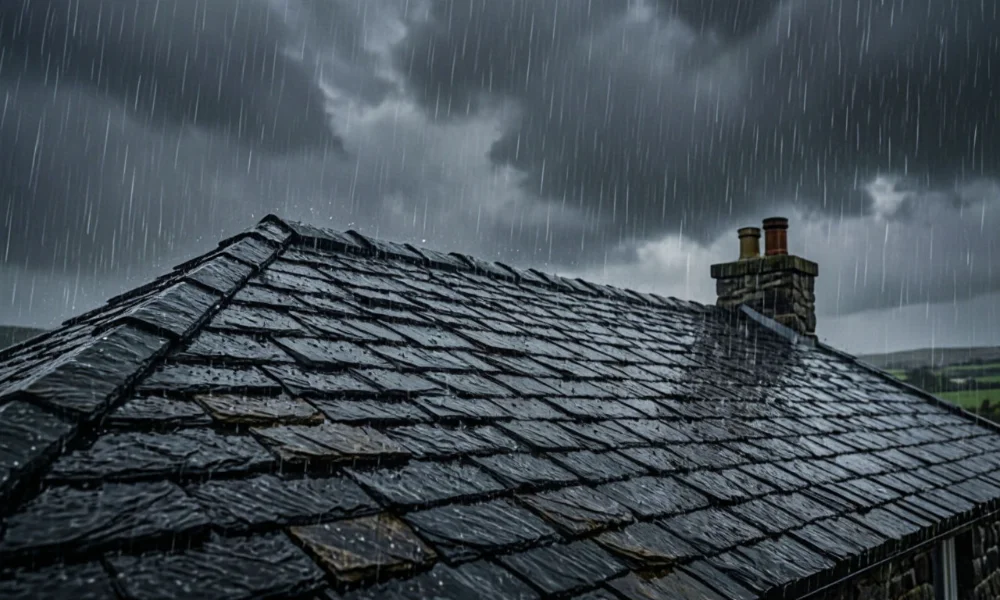
The roof is one of the most important parts of any building but is also one of the most overlooked. In Ireland the climate, with its regular rain, wind and occasional storms, places special demands on roofing materials and installation techniques. Knowledge of these demands is essential for homeowners and builders alike.
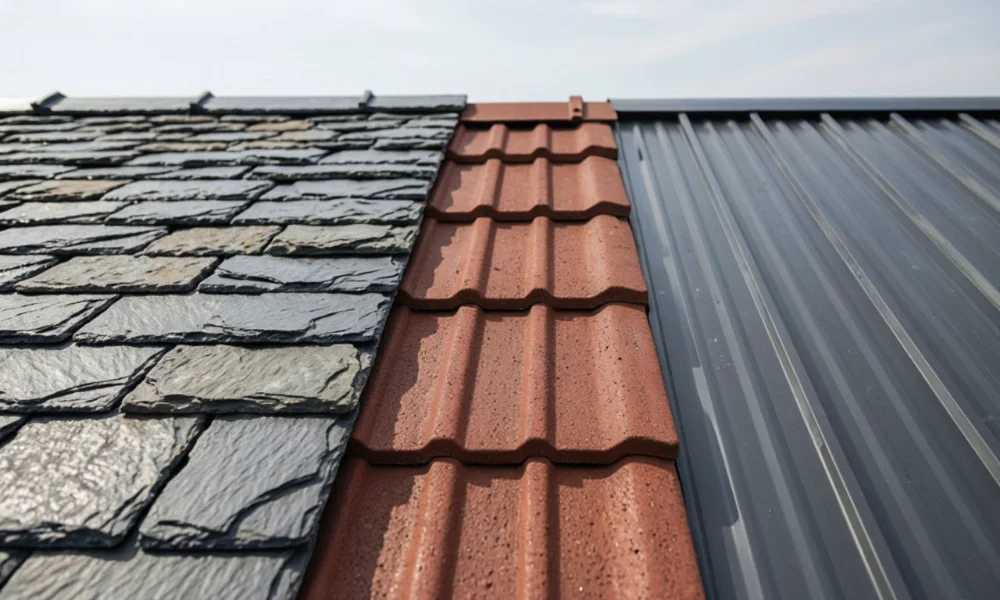
There are many different types of roofing materials in the Irish market and each of them have their pros and cons. Because of its durability and beauty, slate remains a popular choice for traditional homes. Concrete tiles are popular on modern developments and are cost effective. Recently, metal roofing systems have become popular because they are lightweight and energy efficient.The right material will depend on the age, architectural style and budget of the building.
Regular maintenance is necessary for any roof if it is to have a long life. In Ireland, rain combined with organic material (such as leaves and moss) can block gutters and drainage systems. Homeowners should have regular inspections carried out on their homes particularly after severe weather events.Small problems like a cracked tile or loose flashing can turn into big problems if not fixed.
Ireland’s climate brings its own challenges to the roofer. Strong winds can loosen fixings and damage vulnerable areas, and heavy rain can reveal weaknesses in waterproofing. Builders have to adhere to stringent criteria to make sure roofs can handle such conditions.Proper underlayment, ventilation, and flashing details must be used.
Irish Roofscape: A Birds Eye View
The Irish roofing industry is a blend of historical building traditions, current building practices and the specific needs imposed by the Atlantic climate. This is a landscape that anyone involved in building, renovating or maintaining a home in Ireland needs to understand.
Historically, Irish roofs were made of whatever was available locally. Thatched roofs were common in the countryside while slate was used for the more prosperous urban buildings.In the twentieth century, mass-produced concrete tiles came into being and this too changed the market, making roofing more accessible and affordable to a wider population.
The Irish roofing market is a diverse one today. Traditional slate roofs remain very popular, especially on historic properties and in architecturally significant areas. New builds tend to opt for concrete tiles, which strike a good balance between cost and performance. Metal roofing options including standing seam and corrugated systems are gaining popularity for their durability and modern appearance.Single ply membranes and built-up felt are common flat roofing systems used for commercial and urban residential buildings.
When selecting a material for a roof there are a number of things to consider, including the age and style of the building, the climate of the area, the budget and the planning regulations of the area.Planning authorities may require new roofs to relate to the existing character of the streetscape, particularly in conservation areas.
Slate Roofing – Traditional and Durable
Slate has been used as a roofing material for centuries in Ireland. It is prized for its natural beauty, its durability and its capacity to withstand the rigors of the Irish climate. Slate roofs will last 100 years or more if fitted correctly , so it is a worthwhile investment for the long haul .
Many buildings of the past were roofed with Irish slate, particularly from quarries in counties like Tipperary and Kilkenny. Slate is also imported from other countries today, such as Spain and Wales.Slate is a natural product and as such the quality varies from source to source. It is important to select a reputable supplier when specifying slate for a project.
Slate roofing is not without its difficulties. Heavy material and needs a strong roof structure to support it. It is also more costly than concrete tiles in both materials and labor.But it is durable and beautiful, and is a favorite choice for those who can afford it.
A slate roof needs periodic inspections to check for cracked or slipped slates . It is necessary to inspect regularly the flashings around chimneys and valleys, which are common points of failure.Moss and lichen can also be a problem, particularly in shady areas, and may require cleaning and treatment.
Concrete Tiles – The Affordable Alternative
Concrete tiles are the most widely used roofing material in Ireland today. They are used in most new housing developments and provide a cheaper alternative to slate. There are different colors and profiles of concrete tiles and builders can use them to create many different architectural styles.
Concrete tiles tend to be less expensive than slate, both in materials and installation. They also weigh less, thus reducing the roof structural requirements.They are solid and can last a few decades if you look after them.”
But concrete tile is not without its limitations. Over time they can fade or discolor, especially if you’re in a high pollution area or harsh weather conditions.They are also more subject to moss growth than some other materials, especially on north-facing slopes where the moisture lingers.
Concrete tile roofs need to be cleaned periodically to remove moss and debris and inspected for cracks or damage. Replace broken tiles as soon as possible to stop water ingress.As with any roof, flashings and gutters need regular checks.
Metal Roofing: Modern Day Performance
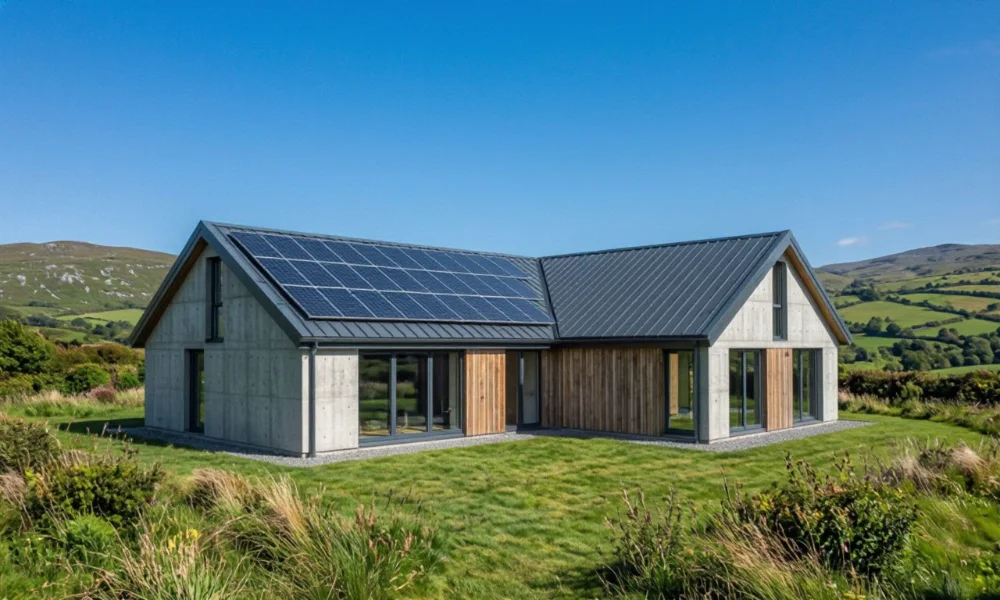
In recent years metal roofing has become more popular in Ireland.It can be used in residential and commercial buildings and is available in many styles, such as standing seam, corrugated, and sheet metal.
There are many advantages to metal roofing. It is light in weight and reduces the burden on the building structure. It is durable and resistant to rot and fire.It is also energy efficient. Especially with the use of insulation, it can reflect solar radiation and lower cooling costs.
Metal roofing comes in a variety of colors and finishes so you can achieve the modern look that is so popular with modern architecture.Good for Rain Water Harvesting – The smooth surface can be used to collect rain water easily.
But metal roofing isn’t for everyone. It is more expensive than concrete tiles and needs a specialist to install it. A lot of rain can be noisy – but with good insulation the noise can be reduced.It can also be dented by impact and may need to be repainted or coated periodically to keep it looking good.
Flat Roof Solutions That Work
Flat roofs are used in commercial buildings and some residential extensions and urban dwellings. Normally they are covered with single-ply membranes (EPDM, TPO or PVC), built-up felt or liquid applied coatings.
Flat roofing is usually cheaper than pitched roofing and can be a practical choice for buildings where a pitched roof isn’t practical.It also offers a usable area that could be used for plant equipment or, in some cases, a roof terrace.
However flat roofs have a shorter life span and require more regular maintenance than pitched roofs. They are more susceptible to pooling and leaks especially if the drainage is not adequate.They also need a higher level of installation skill to make sure the waterproofing works.
Flat roof maintenance necessitates regular inspection for signs of wear, ponding water, or membrane damage. Any damage should be quickly repaired so water cannot get in.Keep drainage outlets free from debris to allow for efficient drainage of water.
Underlayment and Ventilation: What’s Their Role?
And regardless of what roofing material you select, underlayment and ventilation are key parts of a successful roof system. The underlayment is a layer of material that is laid down underneath the roofing tiles or sheets to act as a secondary barrier to water ingress.Also helps protect the roof from condensation and wind driven rains.
Good ventilation is important to prevent build-up of moisture in the roof space which can cause rot and mold and reduce energy efficiency.Good ventilation permits air circulation through the roof space, which removes moisture and controls temperature.
The type of underlayment and ventilation needed will differ based on the roofing material and building design. For example, slate and concrete tile roofs usually require a breathable underlayment, but metal roofs may require a different type of underlayment.Flat roofs and pitched roofs have to be ventilated differently.
FLASHINGS AND SEALING
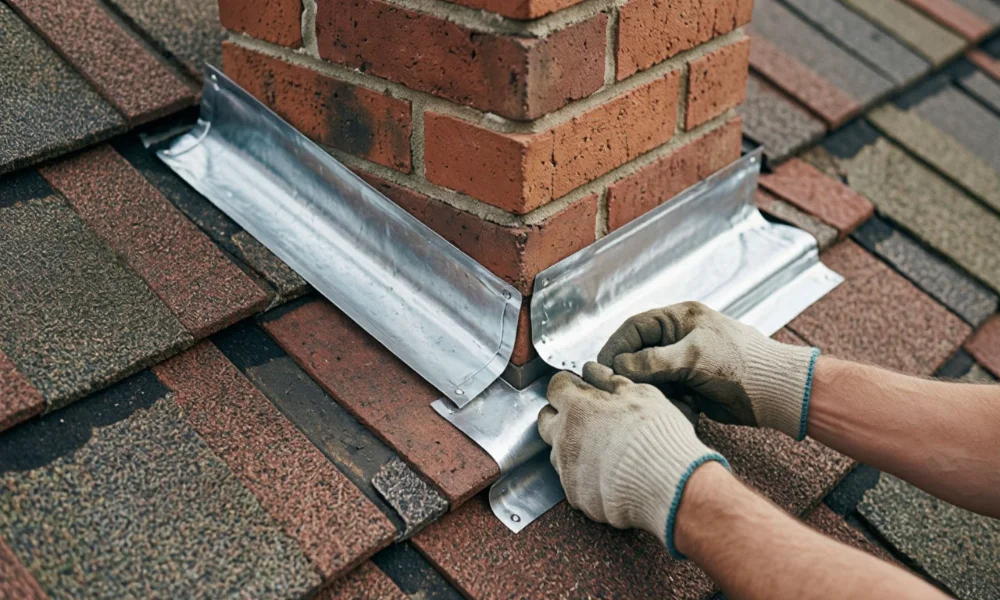
Metal flashing is an essential part of any roof system. They are used to seal the joints between the roof and other elements of the building such as walls, chimneys and valleys. Flashings are usually made of lead, copper or other durable material.
A common source of roof leaks is poorly installed or damaged flashings. Correct installation and periodic inspection of flashings is critical.If you see any damage or wear, fix it immediately.
Proper detailing around joints, chimneys, and valleys is critical to preventing water ingress, especially during severe weather events. For a practical, step-by-step visual demonstration of how to correctly measure, cut, and install lead flashing without specialized equipment, watch this guide:
Waterproofing is particularly critical in flat roofs and where the roof meets a wall or balcony.There are liquid-applied waterproofing systems that can be applied to many different surfaces to create a seamless waterproof barrier.
Gutters & Drainage
Good drainage is critical to how any roof performs. Gutters and downpipes collect rainwater and take it away from the building.If these get blocked or damaged then water can overflow and cause damage to the roof, walls and foundations.
In Ireland, the combination of rain and organic debris (leaves and moss) can cause blockages in gutters and drainage systems. Homeowners should ensure that the gutters are cleaned periodically, especially in the fall, when the leaves are falling.Following severe weather events, checking gutters should also be done.
The Effects of Climate Change
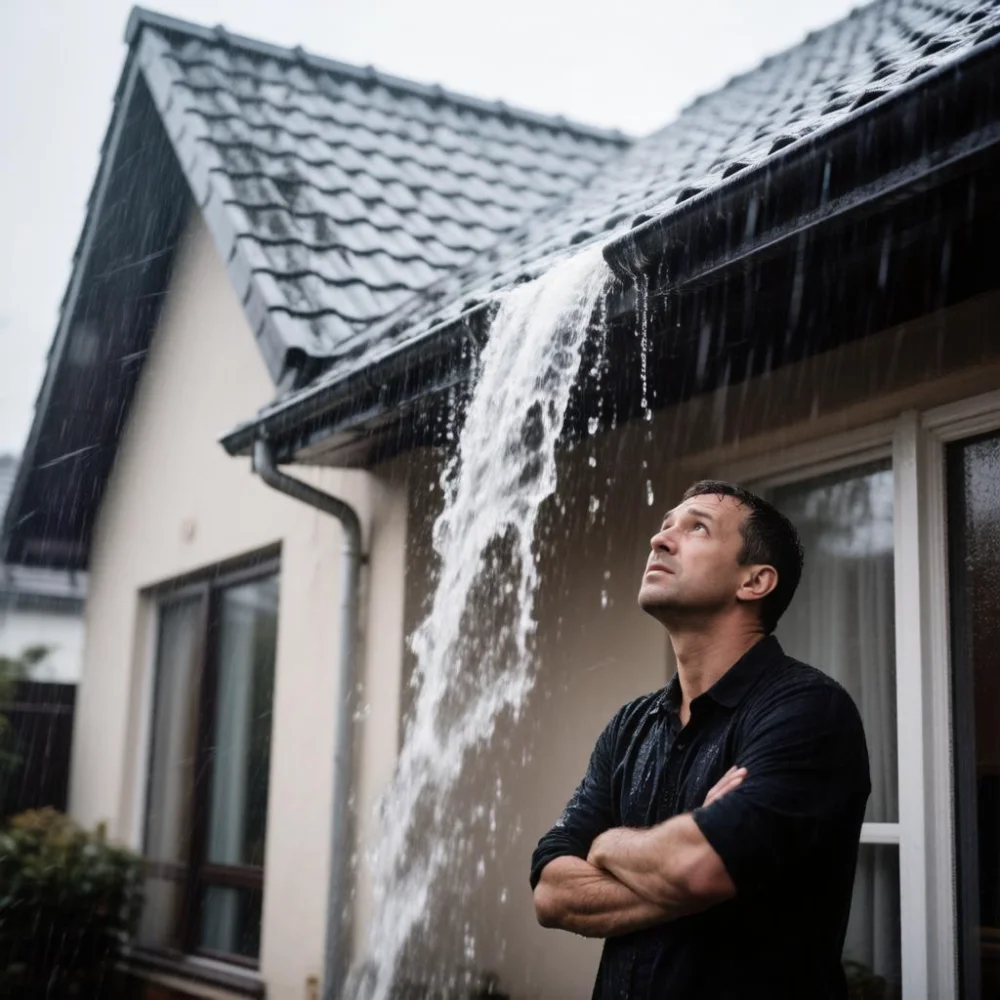
Climate change is set to have a major effect on roofing in Ireland. More frequent and intense storms, more rain, and hotter temperatures will all take their toll on roofing materials and installation practices.
When specifying or maintaining a roof, builders and homeowners should be considering the possible effects of climate change.This could mean selecting materials that are more resistant to wind and water, and ensuring the roof is designed to handle more extreme weather conditions.
The government has created building codes that mandate certain standards of energy efficiency and resilience for new buildings.In the future, these rules will likely tighten further as the impacts of climate change become clearer.
Why Professional Installation Matters
Some homeowners may be tempted to do roofing work themselves but generally it is advisable to hire a professional roofing contractor.Roofing is a skilled trade . Poor installation can cause all sorts of problems including leaks , premature failure of materials , and safety risks .
When selecting a roofing contractor, homeowners should seek a company with a proven track record and good reputation. Always ask for references and check that the contractor has the right insurance and qualifications.The contractor should also be able to give you a written quote and warranty on the work.
Summary
If you are a homeowner wanting to do a renovation or a builder specifying materials for a new project, it is important to understand the basics of roofing in Ireland.The Irish climate puts particular demands on roofing materials and installation methods and the selection of material should be dictated by a careful assessment of the building’s requirements, the budget available and the local conditions.
RC Roofing Observer will continue to offer independent analysis and practical guidance on these issues.More articles coming up.



One Comment
Hi, this is a comment.
To get started with moderating, editing, and deleting comments, please visit the Comments screen in the dashboard.
Commenter avatars come from Gravatar.